
The India-EU Free Trade Agreement is being celebrated in policy and business circles as the “Mother of All Deals” and it is easy to see why. The agreement spans a vast, high-value market and creates real tariff and market-access openings across goods and services. However, for Indian businesses, the decisive question is not whether the deal is big, but whether they can operationalise it. The real work sits in rules of origin, documentation discipline, standards and certification, mobility planning, compliance readiness, and the ability to deliver consistently to European buyer expectations.
In effect, what has been signed is a commercial opportunity framework; what remains is a complex execution programme. That is precisely why we describe it as the “Father of All Execution Challenges” and why early understanding, sector-specific strategy, and disciplined preparation will separate beneficiaries from spectators.
What the concluded India-EU Free Trade Agreement changes, sector by sector, and how Indian businesses should respond.
After nearly two decades of intermittent negotiations, India and the European Union have announced the conclusion of negotiations for a Free Trade Agreement designed as a modern, rules-based partnership. The same announcement also clarifies that the text is still subject to legal revision and final approvals, so execution planning must begin now, even as final legal processes run their course.
For Indian businesses, the opportunity is significant because preferential access is expected across 97 % of tariff lines covering 99.5 % of trade value, with immediate duty elimination covering a large share of India’s export lines. This is the second article in our series. It explains for Exports and Imports, for each sector, what has been decided, Tariff Impact, what changes in practice, execution actions that resolve challenges and our perspective.
PART A: EXPORTS
1. Manufacturing and Industrial Exports
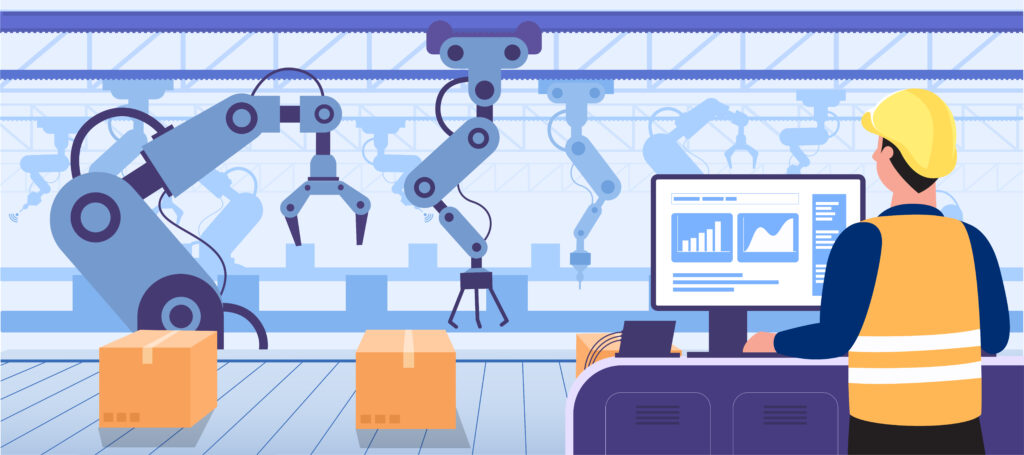
What has been decided: A large share of export facing tariff lines are expected to move to zero duty either immediately or through short staging. Labour intensive and industrial categories have been positioned for meaningful duty elimination. The agreement also tightens the operating rulebook around rules of origin and conformity assessment disciplines, which effectively defines how exporters must execute to actually receive the preference.
Tariff impact: For several high-volume export categories, EU import duties that previously ranged from low single digits to high teens are expected to be reduced to zero. Illustratively, categories such as marine products (previously up to 26 %), chemicals (up to 12.8 %), plastics and rubber (up to 6.5 %), leather and footwear (up to 17 %), textiles (up to 12 %), apparel (around 4 %), base metals (around 10 %), and gems and jewellery (around 4 %) are positioned for zero duty access over the implementation window.
What changes in practice: Tariffs will matter, but compliance will decide eligibility. Rules of origin documentation, supplier declarations, product specific processing thresholds, and audit ready records will become standard buyer expectations. EU buyers will also push harder on product safety, conformity marking, traceability, and sustainability disclosures, and they will expect Indian suppliers to integrate these into routine operations rather than treating them as one time export formalities.
Execution actions that resolve challenges: Run an FTA qualification diagnostic product family wise: map bill of materials, identify non originating inputs, test origin thresholds, and create documentation workflows that can stand up to verification. Build conformity assessment readiness as a system: test reports, lab tie ups, technical files, and change control. Put a governance owner in place, because “someone in exports” cannot manage this alone once volumes scale.
Our Perspective: Tariff elimination creates price room, but the real competitive advantage is reliability: consistent compliance, predictable delivery, and the ability to scale without documentation failures.
2. Pharmaceuticals and Life Sciences
What has been decided: The agreement signals enhanced integration across pharmaceuticals and related life sciences supply chains under a modern rules’ framework, while maintaining high standards and strong enforcement expectations. The bigger change is not simply market access, but the confidence and predictability that supports longer term contracting and deeper manufacturing partnerships.

Tariff impact: Pharmaceutical exports from India to EU already operate in a high compliance environment, where tariff is only one part of landed cost. Where duties apply on specific product lines, reduction to preferential or zero duty improves competitiveness, but the bigger “cost” remains regulatory compliance, inspections, and batch release requirements.
What changes in practice: European buyers will intensify scrutiny on quality systems, data integrity, pharmacovigilance responsiveness, and supply continuity. The agreement will increase competitive intensity in generics and contract manufacturing, but it will also reward firms that can play in complex generics, specialty injectables, biosimilar supply chains, and regulated contract development and manufacturing.
Execution actions that resolve challenges: Strengthen audit readiness as a continuous process, not a pre audit scramble. Invest in quality culture, validated digital systems, and vendor qualification. Build regulatory engagement capability and expand presence through partnerships where local representation or market access channels are essential.
Our Perspective: for life sciences, the FTA is an accelerator for “compliance led scale.” The winners will be firms with discipline, governance, and long-term contracting capability, not those chasing volume at thin margins
3. Mines and Minerals

What has been decided: The agreement positions minerals and value added mineral products for broad preferential access. The commercial meaning is not only duty reduction, but predictability that supports long term offtake relationships with European manufacturers.
Tariff impact: Zero duty is expected across 100 % of tariff lines in this category, removing cost barriers and improving competitiveness for qualifying exports.
What changes in practice: Europe will buy minerals on reliability, specification consistency, sustainability disclosures, and traceability, not on price alone. Exporters will have to demonstrate origin clearly and align quality and testing to EU buyer specifications.
Execution actions that resolve challenges: Move up the value chain where feasible, because value added products capture more margin and create stickier buyer relationships. Build lab testing and specification assurance as standard. Put traceability and origin documentation on a system workflow.
Our Perspective: Minerals can become a strategic “gateway export,” but only if exporters professionalise and position as reliable long-term suppliers rather than opportunistic traders.
4. Toys

What has been decided: Toys are explicitly included among labour intensive categories positioned for early duty elimination and improved access. The commercial benefit is meaningful because the EU toy market is compliance heavy and scale driven.
Tariff impact: Toys that previously faced EU import duties within the broader range applicable to labour intensive exports are positioned to enter at zero duty for qualifying lines under the agreed staging.
What changes in practice: Safety standards, chemical compliance, labeling, and documentation are the real gatekeepers. European buyers will demand strict product safety testing, factory audit readiness, and consistent traceability for materials.
Execution actions that resolve challenges: Invest in testing protocols, compliant materials sourcing, and factory audit readiness. Build design and packaging capability aligned to EU consumer expectations. Create a compliance file discipline per product line, so every shipment is “audit ready.”
Our Perspective: Tariff gains will not compensate for non-compliance failures. Toys is a compliance first export play. Firms that treat compliance as core capability will scale rapidly.
5. Wooden Craft and Furniture
What has been decided: Home decor, wooden crafts, and furniture have been positioned for enhanced market access, supporting India’s push into design led European consumer segments.
Tariff impact: Tariffs that were previously up to about 10.5 % on relevant lines are expected to be reduced, improving price competitiveness for qualifying exports.
What changes in practice: European buyers will emphasise sustainability certifications, legality of timber sourcing, product safety, finishing quality, packaging, and predictable delivery. The biggest opportunity is not low-end commodity furniture, but differentiated design, reliable finishing, and private label manufacturing.
Execution actions that resolve challenges: Secure timber legality and sustainability documentation and build a consistent finishing and quality system. Invest in design collaboration, packaging optimisation, and SKU discipline. Build compliance around chemical use in coatings and adhesives, because that is a common failure point.
Our Perspective: This sector can create high margin export growth if Indian firms move from craft only to “craft plus quality plus compliance plus design,” and build repeatable manufacturing discipline.
6. IT and Digital Services
What has been decided: The agreement strengthens the operating environment for cross border services delivery by tightening transparency, predictability, and enforceability of services commitments, and adds a modern digital trade layer focused on trust, consumer protection, and business certainty. Professional mobility provisions are included to support services delivery models, and there is a stated pathway to engage on Social Security Agreements over a five-year horizon, which matters for independent professionals and short duration assignments.
Tariff impact: Not applicable in the tariff sense. The value is created through market access predictability, procurement opportunity enablement, mobility design, and compliance clarity.
What changes in practice: European clients will increasingly expect India based delivery to be “EU compatible by design” in data handling, cybersecurity controls, consumer protection practices, and auditability. The deal’s real effect is to reduce friction in contracting and delivery, but only for firms that can evidence governance. In practice, this will favour firms that can contract under European legal expectations, demonstrate strong information security posture, and deliver with stable onshore and nearshore capability rather than relying purely on short term travel.
Execution actions that resolve challenges: Build an EU readiness layer around three items: data governance aligned to European privacy expectations, demonstrable cybersecurity controls (policies, certifications, incident response), and delivery architecture that balances India offshore with EU onshore or nearshore execution. For independent professionals, plan mobility and social security exposures early through engagement with clients and advisors, so assignments do not become uneconomic due to double contributions or administrative friction.
Our Perspective: This is not a “more projects” story. It is a “more scrutiny” story. Winners will be firms that treat compliance, contract hygiene, and delivery reliability as revenue enablers, not overheads.
7. Non-IT Services: Engineering, Consulting, Logistics, and Managed Services
What has been decided: The agreement expands the services framework beyond basic commitments by pushing toward clearer domestic regulation disciplines, improved transparency, and enforceable obligations. It also supports professional mobility in line with ambitious commitments and creates conditions for deeper participation in supply chain services, engineering support, and professional services delivery into EU markets.
Tariff impact: Not applicable directly. The economic gain comes from reduced barriers to entry, better recognition pathways over time, and stronger enforceability of market access conditions.
What changes in practice: Engineering, consulting, and logistics firms cannot treat Europe as a remote export destination. Buyers will demand documented competence, certifications, traceable quality systems, and EU compliant subcontracting. For logistics and managed services, the opportunity arises when India based manufacturing exports rise, because European buyers will want integrated planning, documentation discipline, control tower support, reverse logistics, and compliance aligned warehousing and distribution.
Execution actions that resolve challenges: Invest in credentialing and quality systems that European procurement teams recognise. Build consortium capability for larger bids, especially where multi country execution is required. For logistics services, build a compliance led playbook around documentation, rules of origin support, traceability, and dispute avoidance. Most importantly, build a partner network in Europe for on ground execution rather than attempting “India only” delivery for regulated or high touch work.
Our Perspective: The non-IT services upside will be disproportionately captured by firms that productise their delivery and can evidence capability. Europe rewards professionalism and proof, not generic claims.
8. Sustainability, ESG, and Compliance Services
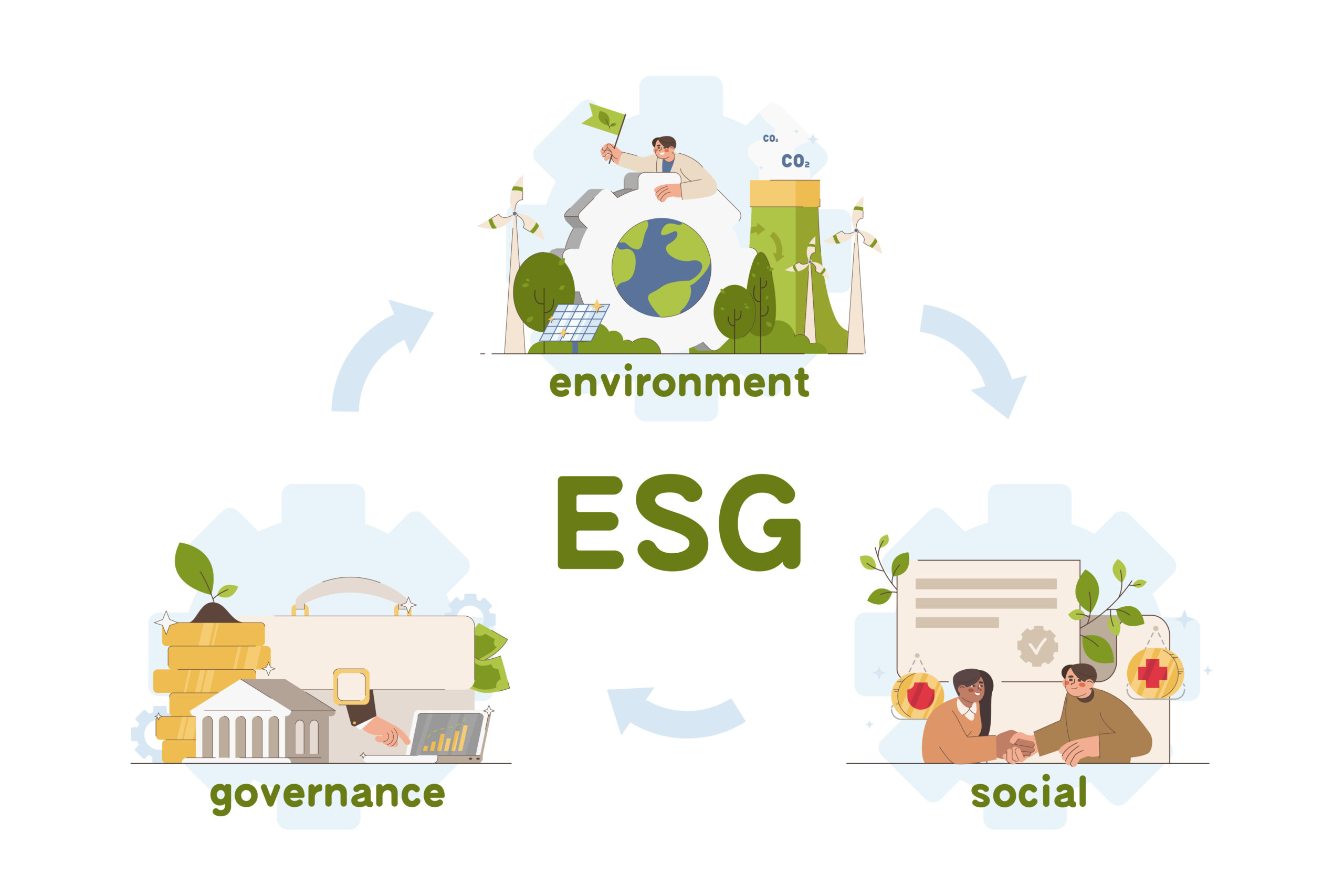
What has been decided: Sustainability and standards are embedded as mainstream operating requirements rather than side chapters. Conformity assessment working mechanisms, transparency, and enforceability signal that buyers will treat sustainability, traceability, and compliance evidence as contractual essentials.
Tariff impact: Indirect but material. As tariffs fall, the relative weight of non-tariff requirements increases. In many categories, “compliance cost” becomes the deciding factor between using the preference and losing it.
What changes in practice: Exporters will face more frequent requests for supply chain traceability, carbon and sustainability disclosures, product compliance files, and audit trails. This creates a secondary opportunity market: testing, certification, traceability systems, ESG reporting support, and compliance program design.
Execution actions that resolve challenges: Exporters should build a compliance stack: traceability for materials, documented supplier controls, test and certification calendars, and ESG reporting readiness tied to customer requirements. Service providers in compliance, testing, digital traceability, and ESG should build sector specific offerings rather than generic advisory, because European buyers procure by category and standards.
Our Perspective: This is the hidden winner category. The export upside will create a parallel demand boom for compliance infrastructure, and Indian firms can capture it if they package services in a way that is credible to EU procurement
PART B: IMPORTS
1. Automobiles and Auto Components
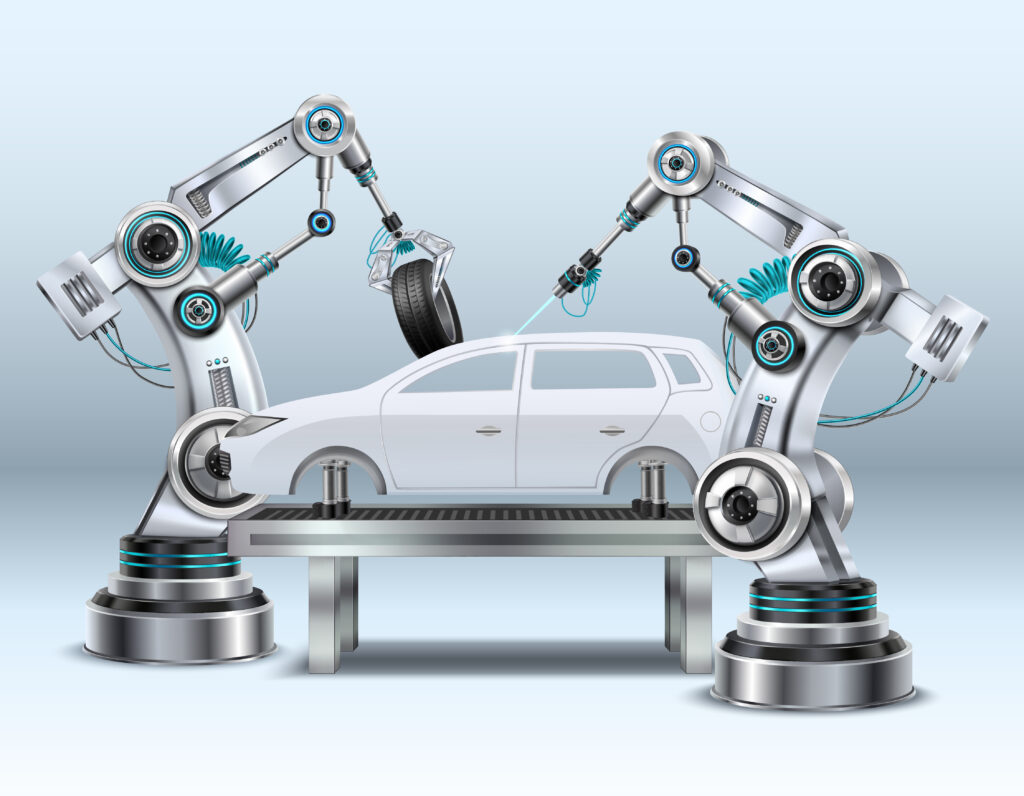
What has been decided: Automotive is managed through staged liberalisation and quotas to balance market opening with domestic sensitivities. Small low price cars are excluded, while higher value segments see phased duty reduction.
Tariff impact: Car import duties that have been as high as 110 % are expected to reduce gradually to around 10 % under an annual quota mechanism. Auto components see staged liberalisation, with most duties removed over 5 to 10 years.
What changes in practice: European vehicles become more competitively priced in specific segments, and EU component suppliers gain improved access. For Indian industry, the immediate effect is competitive pressure in premium categories and acceleration of technology and feature benchmarks.
Execution actions that resolve challenges: Indian OEMs and suppliers should treat this as a technology and localisation programme: upgrade platforms, deepen localisation, and secure EU partnerships for critical components and advanced manufacturing. Component makers should position to supply both directions by meeting EU quality and traceability requirements.
Our Perspective: This is not only an import competition story. It is an industrial upgrading trigger. Firms that use the transition window to improve technology, quality, and cost will gain, even as imports rise.
2. Chemicals and Specialty Inputs

What has been decided: High duties on industrial chemicals are targeted for removal, with many lines liberalised early.
Tariff impact: Chemical tariffs that have reached up to 22 % are expected to be removed mostly at entry into force for a large set of lines, improving landed costs of EU chemical inputs.
What changes in practice: Indian downstream manufacturers gain access to a wider range of specialty inputs at lower duty incidence, improving quality options and potentially reducing cost. Domestic chemical producers face sharper competition in niches where EU suppliers have quality differentiation.
Execution actions that resolve challenges: Downstream firms should renegotiate supply contracts using new duty economics and diversify sources to reduce risk. Domestic chemical producers should move toward higher value and performance grades and adopt EU compatible quality and regulatory documentation to remain preferred suppliers.
Our Perspective: Cheaper and better inputs can raise India’s export competitiveness. The firms that win are those that use import liberalisation to strengthen their own product performance and export positioning.
3. Cosmetics and Personal Care

What has been decided: Cosmetics liberalisation is staged, reflecting sensitivity but clear direction toward duty reduction.
Tariff impact: Cosmetics tariffs that have been up to 22 % are expected to be removed largely after 5 or 7 years, creating a predictable glide path.
What changes in practice: EU brands gain an advantage over time as duties decline. For Indian brands, competitive intensity rises, but so does access to packaging, formulations, and specialised ingredients through broader liberalisation.
Execution actions that resolve challenges: Indian brands should improve product science, claims substantiation, packaging quality, and compliance readiness. Manufacturers should use the staging window to build exportable standards and develop private label opportunities.
Our Perspective: The staging window is the opportunity. Indian personal care players that use it to build brand, compliance, and quality can defend domestically and expand into EU through credible positioning.
4. Machinery, Industrial Equipment, and Technology Goods
What has been decided: Industrial machinery is liberalised with a split approach: part immediate, part staged, improving access to advanced equipment.
Tariff impact: About half of machinery tariffs are liberalised at entry into force, with the rest phased out over periods up to 10 years. Boats are mainly liberalised at entry into force, and several industrial categories see early duty reductions.
What changes in practice: Capital goods imports become more affordable, supporting manufacturing productivity upgrades. Domestic machinery makers face competition, but they also gain access to better components and technology benchmarks.
Execution actions that resolve challenges: Indian manufacturers should plan capex cycles to capture duty savings and accelerate automation, quality, and energy efficiency improvements. Domestic machinery players should shift toward specialised machines, service intensive models, and retrofit and maintenance ecosystems where local advantage is strong.
Our Perspective: This is a competitiveness lever for India’s industry. The key is to convert cheaper technology access into productivity and export capability, not just consumption.
5. Medical Devices and Pharmaceuticals Imports
What has been decided: Healthcare related goods are positioned for meaningful liberalisation, supporting access to high technology devices and regulated products.
Tariff impact: Medical device tariffs that have been as high as roughly 27.5 % are expected to trend down to zero for many lines over the implementation period. Pharmaceutical import duties on several lines are positioned for reduction or elimination under the broader industrial goods liberalisation direction.
What changes in practice: Hospitals and diagnostics providers may access advanced equipment at lower duty incidence, improving affordability over time. Domestic device makers face stronger competition in premium segments, while also gaining access to components and technology pathways.
Execution actions that resolve challenges: Indian device manufacturers should focus on quality systems, clinical validation, and regulatory pathways, and selectively partner for technology transfer. Healthcare providers should plan procurement cycles against staged duty reductions to optimise capex and total cost of ownership.
Our Perspective: The long-term benefit is system level: better technology access can improve healthcare capability. For Indian manufacturers, it is a push to move up the quality curve.
6. Agri Food, Processed Foods, Wines, Spirits, and Beer

What has been decided: The deal opens selected Agri food lines while preserving sensitive categories. Alcohol sees structured tariff reductions rather than elimination.
Tariff impact: Olive oil tariffs up to 45 % are expected to be eliminated at entry into force or after a 5-year staging period. Non-alcoholic beer and fruit juices with tariffs up to 55 % are expected to be eliminated in 5 years. Several processed foods currently at about 33 % are expected to be eliminated at entry into force or after staging. Alcoholic beverage tariffs that have reached 150 % in some cases are expected to reduce over time to around 30 % for most wines, 40 % for spirits, and 50 % for beer.
What changes in practice: Consumer facing categories see gradual price improvement and increased variety. Domestic producers face more competition in premium segments, and distribution and retail will respond quickly to improved pricing economics.
Execution actions that resolve challenges: Indian food and beverage firms should defend through premiumization, brand, and distribution strength. Importers and retailers should build compliant sourcing and labelling capability early, because regulatory compliance will remain strict even as tariffs decline.
Our Perspective: These categories will create visible consumer impact, but the bigger opportunity is for Indian firms to adopt global quality and packaging standards and use them to export back into premium markets.
The agreement will lead to displacement of existing European Union imports from other supplying countries where India becomes more competitive, and it will also change India’s import economics where European inputs and products gain preferential access into India.
What Hmsa Consultancy can do for your business with respect to the FTA
Trade agreements do not create value by themselves. Execution does. Hmsa Consultancy supports Indian promoters and leadership teams through:
- Europe readiness diagnostics for products and sectors, covering tariffs, Product Specific Rules, standards, documentation, and operational gaps
- Rules of origin and Statement on Origin readiness design, including internal controls and auditability
- European Union compliance and certification roadmaps, including conformity assessment strategy under Sanitary and Phytosanitary and Technical Barriers to Trade cooperation
- Landed cost competitiveness modelling and product prioritization for export and import plays